Fibreglass vs concrete pools: an honest comparison
Both are good pools, they just suit different priorities. Here is the honest comparison of fibreglass and concrete, including where concrete genuinely wins.
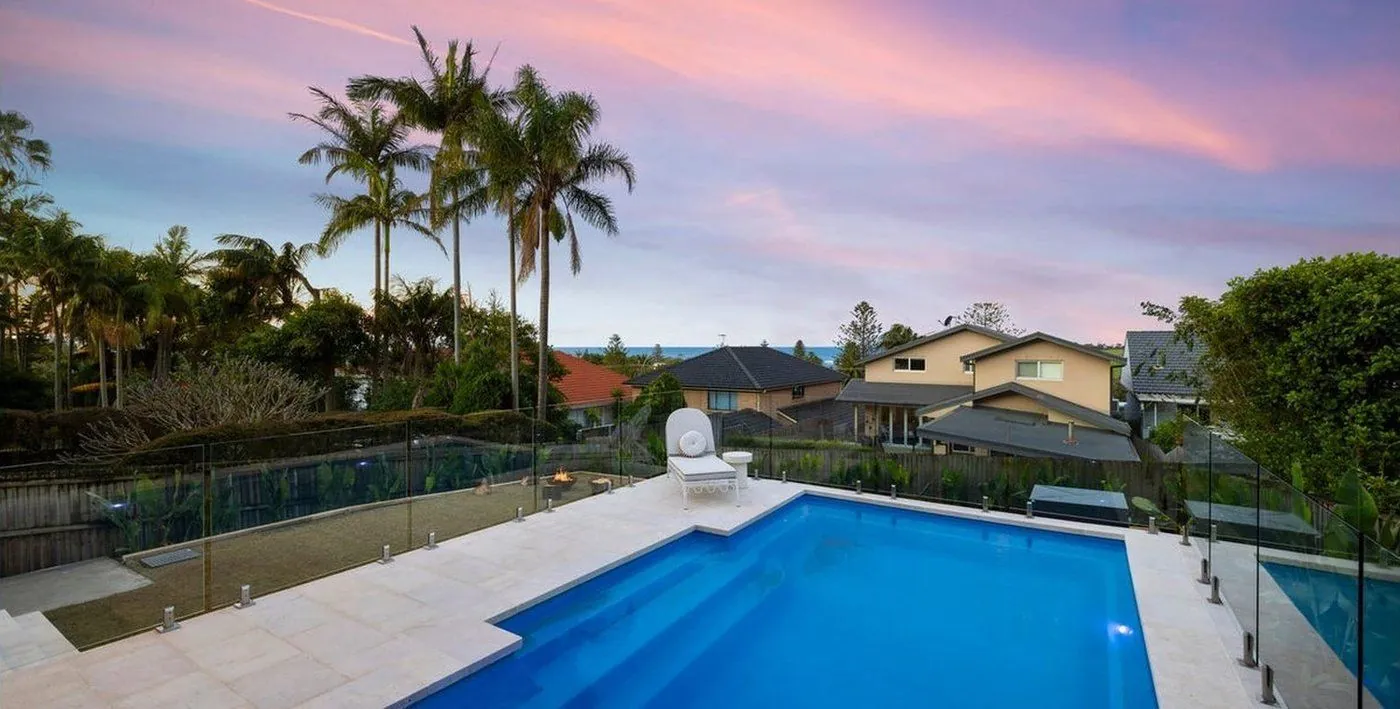
Fibreglass and concrete are the two main ways to build an in-ground pool in Australia. Both are good pools. They just suit different priorities. Here is the honest comparison, including where concrete genuinely wins.
Speed
Fibreglass wins comfortably. The shell is made in a factory and craned in, so a backyard is often swimmable in one to three weeks. A concrete pool is built in place and typically takes two to three months.
Cost
Fibreglass is usually cheaper, because the shell is made in a mould off a production line and installs faster with less labour. Concrete costs more and the price climbs quickly with size and custom detailing. See the full cost breakdown.
Maintenance and surface
Fibreglass has a smooth, non-porous gelcoat surface. Algae struggles to take hold, so you use fewer chemicals and do less scrubbing, and there is no liner to ever replace. Concrete is porous, needs more chemicals, and is usually resurfaced every 10 to 15 years.
Longevity and ground movement
A quality fibreglass shell is engineered to flex slightly with ground movement rather than crack, and carries a 25-year structural warranty. Concrete is rigid and extremely strong, but can crack if the ground shifts.
Where concrete wins
Fair is fair. If you want a fully bespoke shape, an oversized or unusually deep pool, or features like a beach entry or a vanishing edge built exactly to a custom design, concrete gives you more freedom. Fibreglass comes in set moulds, though the modern range covers most shapes and sizes people actually want.
| Install time | Fibreglass: days to a few weeks. Concrete: two to three months. |
| Cost | Fibreglass: lower. Concrete: higher. |
| Maintenance | Fibreglass: low, non-porous. Concrete: higher, resurface every 10 to 15 years. |
| Customisation | Fibreglass: set moulds, wide range. Concrete: fully bespoke. |
| Ground movement | Fibreglass: flexes. Concrete: rigid, can crack. |
For most Australian backyards, fibreglass gives you the best pool for the money with the least fuss. If you want something truly one-off, concrete is worth the extra. Not sure which suits your block? Our free site assessment will give you a straight answer.
Common questions
Is fibreglass or concrete better?
For most backyards, fibreglass gives you a faster, cheaper, lower-maintenance pool with a smooth non-porous surface and no liner to replace. Concrete wins when you want a fully bespoke shape, an oversized pool or custom features, and you are happy to pay more and wait longer.
Do fibreglass pools crack?
A quality fibreglass shell is engineered to flex slightly with ground movement rather than crack, and carries a 25-year structural warranty. Concrete is rigid and can crack if the ground shifts.
Which lasts longer, fibreglass or concrete?
Both last decades. Fibreglass usually needs less upkeep over its life because the gelcoat is non-porous and there is no liner, whereas concrete generally needs resurfacing every 10 to 15 years.
Want a straight price on your yard?
Tell us where you are and the pool you like. We come back with a delivered price, no obligation. Not sure it fits? Book a free site assessment.
Get a quoteOr call Will on 0415 140 001